Uterine / Endometrial Cancer Surgery
Precise surgical care for cancers of the uterus and endometrium — combining thorough surgical staging with minimally invasive techniques to achieve complete tumour clearance and support faster recovery.
- Total Hysterectomy & Bilateral Salpingo-Oophorectomy
- Surgical Staging for Endometrial Cancer
- Minimally Invasive & Robotic Hysterectomy
- Sentinel Lymph Node Mapping
- Fertility-Sparing Endometrial Treatment
Overview
Treating uterine cancer with thorough staging and minimally invasive precision
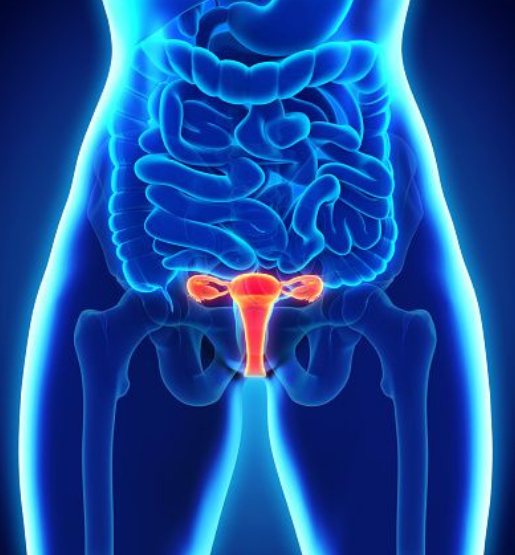
Uterine, or endometrial, cancer is often diagnosed at an early stage, when it’s confined to the uterus — making surgery highly effective and, in most cases, curative on its own. Surgery serves a dual purpose here: removing the cancer completely while also providing the detailed staging information — depth of invasion, lymph node status, tumour grade — that determines whether any additional treatment is needed afterward.
Treatment planning begins with imaging and endometrial biopsy to confirm diagnosis and assess disease extent. Surgery typically involves removal of the uterus, cervix, fallopian tubes, and ovaries, most often performed through minimally invasive or robotic-assisted approaches, which offer faster recovery with the same oncological safety as open surgery for most patients. Lymph node assessment, often through sentinel node mapping, is performed alongside to accurately stage the disease. In select early-stage, low-grade cases where fertility preservation is a priority, non-surgical or uterus-preserving approaches may be considered.
Because subsequent treatment decisions depend heavily on final surgical staging, every case is discussed within a multidisciplinary tumour board — gynaecologic oncology, medical oncology, and radiation oncology working together to determine whether any additional therapy is needed after surgery.
What We Offer
Surgical & Reconstructive Options
A complete range of uterine and endometrial cancer procedures, matched to disease stage, grade, and patient priorities.
Total Hysterectomy with Bilateral Salpingo-Oophorectomy
Removal of the uterus, cervix, fallopian tubes, and ovaries, forming the standard surgical treatment for endometrial cancer.
Minimally Invasive & Robotic-Assisted Hysterectomy
Laparoscopic or robotic-assisted approach to hysterectomy, offering reduced surgical trauma and faster recovery for most patients.
Comprehensive Surgical Staging
Systematic assessment of lymph nodes and pelvic structures at the time of surgery to accurately determine cancer stage and guide further treatment.
Sentinel Lymph Node Mapping
Identification and removal of the first lymph nodes likely to contain cancer spread, reducing the extent of lymph node removal while maintaining accurate staging.
Pelvic & Para-Aortic Lymph Node Dissection
More extensive lymph node removal in select higher-risk cases to fully assess and clear cancer spread.
Omentectomy
Removal of the omentum in select high-grade or high-risk histology cases, as part of comprehensive staging.
Cytoreductive Surgery for Advanced Disease
Extensive tumour removal in cases where endometrial cancer has spread beyond the uterus, aimed at achieving the most complete clearance possible.
Fertility-Sparing Management
Uterus-preserving treatment options for carefully selected early-stage, low-grade cases in patients wishing to preserve future fertility.
Radical Hysterectomy for Uterine Cancer
A more extensive variation of hysterectomy performed when tumour involvement extends beyond the uterus to surrounding tissue, such as the cervix or upper vagina.
Our Approach
The Uterine Oncology Advantage
Thorough staging and minimally invasive precision guide every step of care.
A clear, supported path from first consultation through to long‑term follow‑up.
Complete Tumour Clearance

Surgical removal of the uterus and surrounding structures forms the foundation of treatment, offering excellent outcomes for most early-stage cancers.
Minimally Invasive First

Laparoscopic and robotic-assisted approaches are prioritised wherever appropriate, supporting faster recovery without compromising oncological safety.
Accurate Surgical Staging

Sentinel node mapping and systematic staging ensure decisions about additional treatment are based on precise, individualised findings.
Multidisciplinary Treatment Planning

Gynaecologic oncology, medical oncology, and radiation oncology coordinate to determine whether further treatment is needed after surgery.
This depends on the final staging results from surgery — factors like depth of invasion, grade, and lymph node status. The multidisciplinary tumour board will determine if additional treatment is needed.
Yes, for most patients. Laparoscopic and robotic-assisted hysterectomy offer the same oncological safety as open surgery for the majority of cases, with the benefit of faster recovery.
If your ovaries are removed as part of the procedure, this will bring on menopause if you haven’t already reached it. This is discussed individually based on your age and risk factors before surgery.
In carefully selected early-stage, low-grade cases, uterus-preserving management may be an option. Your gynaecologic oncology team will assess your eligibility based on tumour characteristics.
It’s a technique that identifies the first lymph nodes likely to contain cancer spread, allowing accurate staging while reducing the amount of lymph node tissue that needs to be removed.
Contact
Discuss Your Treatment Options
Every case is unique. Book a consultation to understand the safest and most personalised path forward for you.
Address
# 69, IOA Complex, Royapettah High Rd, Royapettah, Chennai, Tamil Nadu 600014
info@support.com
Our Number
+(0361) 234 567