Gastrointestinal (GI) Cancer Surgery — Upper & Lower GI
Comprehensive, precision-led surgical care for cancers of the oesophagus, stomach, pancreas, liver, colon, and rectum — combining advanced minimally invasive and robotic techniques with a multidisciplinary approach to give every patient the best chance of cure and recovery.
- Robotic & Laparoscopic GI Surgery
- Oesophageal & Gastric Cancer Surgery
- Hepato-Pancreato-Biliary (HPB) Surgery
- Colorectal Cancer Surgery
- HIPEC & Peritoneal Surface Malignancy
Overview
Restoring digestive health while treating cancer at its root
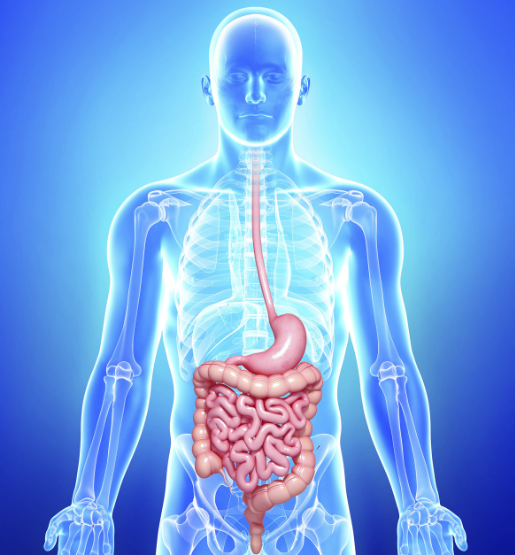
Gastrointestinal cancers — spanning the oesophagus, stomach, pancreas, liver, small bowel, colon, and rectum — require surgery that is both oncologically thorough and anatomically precise, given how closely these organs sit alongside major blood vessels and vital structures.
Modern GI cancer surgery is built around minimally invasive and robotic-assisted techniques wherever oncologically appropriate, allowing complete tumour clearance with smaller incisions, less blood loss, and faster return to normal eating and daily function. For advanced or recurrent disease involving the peritoneal surface, specialised approaches such as cytoreductive surgery with HIPEC (Hyperthermic Intraperitoneal Chemotherapy) extend treatment options that were once considered inoperable.
Every case — whether upper GI (oesophagus, stomach, pancreas, liver) or lower GI (colon, rectum) — is planned individually, factoring in tumour location, stage, nutritional status, and the patient’s overall fitness for surgery.
What We Offer
Surgical & Reconstructive Options
A full spectrum of upper and lower GI cancer procedures, matched to tumour site, stage, and patient fitness.
Robotic & Laparoscopic Gastrectomy
Minimally invasive removal of stomach cancers with radical lymph node clearance, preserving digestive function wherever possible.
Oesophagectomy
Surgical removal of oesophageal tumours with reconstruction of the food pipe, performed via minimally invasive or hybrid approaches to reduce recovery time.
Pancreaticod
uodenectomy (Whipple's Procedure)
Complex resection of pancreatic head and periampullary tumours with careful reconstruction of the digestive and biliary tract.
Hepatic (Liver) Resection
Precision removal of liver tumours — primary or metastatic — while preserving maximum healthy liver tissue for adequate post-surgical function.
Robotic & Laparoscopic Colectomy
Minimally invasive removal of colon cancers with complete mesocolic excision for thorough lymph node clearance.
Low Anterior Resection (LAR) & Sphincter-Preserving Surgery
Rectal cancer surgery designed to remove the tumour completely while preserving natural bowel continuity and function wherever oncologically safe.
Abdomino
perineal Resection (APR)
Complete removal of the rectum and anus for select low rectal cancers, with permanent stoma formation when sphincter preservation isn’t feasible.
Cytoreductive Surgery with HIPEC/PIPAC
Combined surgical removal of peritoneal tumour deposits with heated or pressurised intraperitoneal chemotherapy for peritoneal surface malignancies.
Sacral Resection for Locally Advanced
/Recurrent Rectal Cancer
Lorem ipsum dolor sit amet, consectetur adipiscing elit. Ut elit tellus, luctus nec ullamcorper mattis, pulvinar dapibus leo.
Our Approach
The GI Oncology Advantage
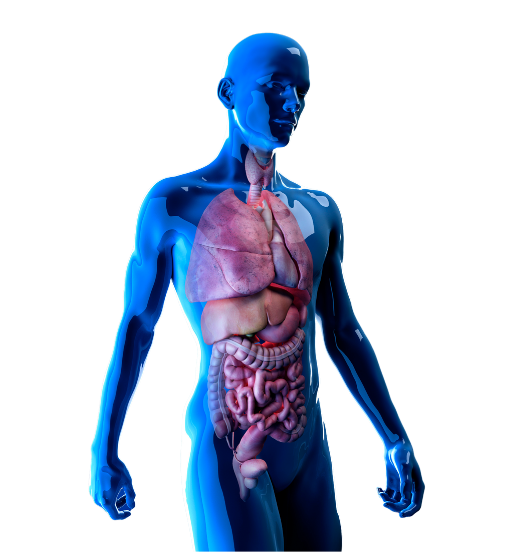
Complex anatomy demands a coordinated, safety-first surgical philosophy.
Complex anatomy demands a coordinated, safety-first surgical philosophy.
Oncological Completeness First

Radical, margin-clear tumour and lymph node clearance guides every surgical decision, ensuring the best chance of cure.
Minimally Invasive Wherever Possible

Robotic and laparoscopic approaches are used to reduce blood loss, pain, and hospital stay without compromising oncological outcomes.
Function-Preserving Reconstruction

Digestive continuity and organ function are protected through careful reconstructive planning, minimising long-term impact on eating, digestion, and bowel habits.
Multidisciplinary Decision-Making

Every case is reviewed with medical oncology, radiation oncology, and gastroenterology to align surgery with the complete treatment plan.
For most cases, robotic and laparoscopic approaches achieve equivalent oncological clearance to open surgery, with the added benefits of less pain, shorter hospital stay, and faster recovery.
Not always. Many rectal and colon cancer surgeries preserve natural bowel continuity; a stoma — temporary or permanent — is only needed in select cases based on tumour location and extent.
HIPEC is heated chemotherapy delivered directly into the abdominal cavity after surgical removal of visible tumour, used for select cancers that have spread to the peritoneal (abdominal) lining.
This varies by procedure — many patients resume oral intake within days after minimally invasive surgery, with a gradual return to a normal diet over several weeks under nutritional guidance.
This depends on tumour type, stage, and location, and is determined by the multidisciplinary tumour board as part of a complete treatment plan.
Contact
Discuss Your Treatment Options
Every case is unique. Book a consultation to understand the safest and most personalised path forward for you.
Address
Sunset Road Denpasar, Bali
info@support.com
Our Number
+(0361) 234 567