Thoracic (Chest) Cancer Surgery
Advanced surgical care for cancers of the lung, oesophagus, chest wall, and mediastinum — combining precise tumour clearance with lung-sparing and minimally invasive techniques to protect breathing and quality of life.
- Lung Cancer Surgery
- Oesophageal Cancer Surgery
- Mediastinal Tumour Surgery
- Chest Wall Resection
- Video-Assisted & Robotic Thoracic Surgery
Overview
Treating chest cancers while protecting breathing and function
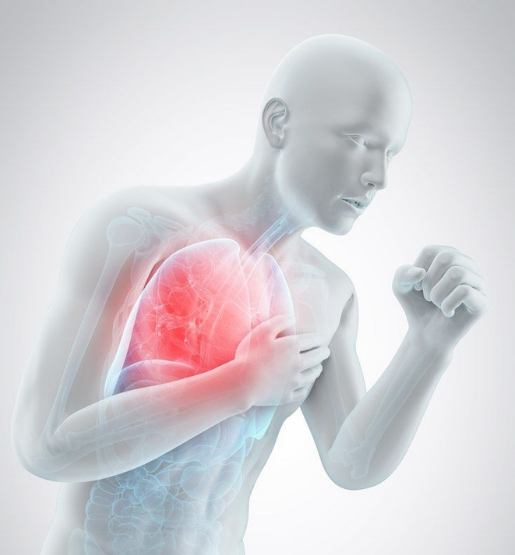
Cancers of the chest — lung, oesophagus, mediastinum, and chest wall — sit close to the heart, great vessels, and airway, making surgical precision essential. Treatment planning must balance complete tumour clearance with preserving as much healthy lung and functional capacity as possible, since breathing reserve directly affects recovery and long-term quality of life.
Care begins with detailed staging using CT, PET, and where needed, bronchoscopy or endoscopic ultrasound, alongside pulmonary function testing to assess a patient’s fitness for surgery. Surgical planning is tailored to tumour location and stage — from anatomical lung resections and minimally invasive video-assisted or robotic approaches, to more extensive procedures such as oesophagectomy or chest wall reconstruction for locally advanced disease.
Because thoracic cancers often require treatment sequencing with chemotherapy or radiation, every case is discussed within a multidisciplinary tumour board — thoracic surgery, medical oncology, radiation oncology, and pulmonology working together to determine the safest and most effective path to cure.
What We Offer
Surgical & Reconstructive Options
A complete range of thoracic cancer procedures, matched to tumour site, stage, and lung function.
Lobectomy & Segmentectomy
Anatomical removal of a lung lobe or segment for early- to locally advanced-stage lung cancer, planned to preserve as much healthy lung tissue as possible.
Pneumonectomy
Complete removal of one lung when tumour extent requires it, reserved for select cases where lesser resection isn’t sufficient for clearance.
Video-Assisted Thoracoscopic Surgery (VATS)
Minimally invasive, camera-guided lung resection through small incisions, offering reduced pain and faster recovery for suitable candidates.
Robotic-Assisted Thoracic Surgery
Robotic-assisted approach for lung and mediastinal tumour resection, enabling precise dissection through minimally invasive access.
Oesophagectomy
Removal of cancerous portions of the oesophagus with reconstruction of the digestive tract, for cancers of the oesophagus and gastro-oesophageal junction.
Mediastinal Tumour Resection
Surgical removal of tumours arising in the mediastinum, including thymomas and neurogenic tumours, with attention to surrounding vital structures.
Chest Wall Resection & Reconstruction
Removal of tumours involving the ribs or chest wall, with structural reconstruction to preserve breathing mechanics and chest contour.
Mediastinal & Hilar Lymph Node Dissection
Systematic removal of lymph nodes in the chest to accurately stage disease and clear areas of cancer spread.
Tracheal & Bronchial Sleeve Resection
Removal of tumours involving the airway with reconstruction of the trachea or bronchus, allowing lung-preserving surgery in select central tumours that would otherwise require pneumonectomy.
Our Approach
The Thoracic Oncology Advantage
Complex chest anatomy demands precision, lung-sparing planning, and coordinated care.
A clear, supported path from first consultation through to long‑term follow‑up.
Margin-Clear Tumour Clearance

Complete oncological resection with clear margins forms the foundation of every surgical plan, guiding technique and extent of resection.
Lung- and Function-Sparing Technique

Wherever oncologically safe, resections are planned to preserve maximal lung capacity and support post-operative breathing.
Minimally Invasive First

VATS and robotic-assisted approaches are prioritised where appropriate, reducing surgical trauma and supporting faster recovery.
Multidisciplinary, Sequenced Care

Thoracic surgery, medical oncology, radiation oncology, and pulmonology coordinate chemotherapy, radiation, and surgical timing as one integrated plan.
Most patients adapt well after lobectomy or segmentectomy, as the remaining lung tissue compensates over time. Your surgical team will assess your lung function beforehand to plan the safest extent of resection.
Many early- and some locally advanced-stage lung cancers can be treated with VATS or robotic-assisted surgery, which typically offers less pain and a quicker return to daily activities compared to open surgery.
This depends on tumour type, stage, and lymph node involvement, and is determined by the multidisciplinary tumour board as part of your complete treatment plan.
Recovery involves a structured period of nutritional support and gradual return to oral eating, guided closely by your surgical and dietetic team given the complexity of digestive tract reconstruction.
Pulmonary function tests, cardiac assessment, and overall fitness evaluation are performed before surgery to ensure the planned procedure is safe for your individual health status.
Contact
Discuss Your Treatment Options
Every case is unique. Book a consultation to understand the safest and most personalised path forward for you.
Address
# 69, IOA Complex, Royapettah High Rd, Royapettah, Chennai, Tamil Nadu 600014
info@support.com
Our Number
+(0361) 234 567